The Role of Isolation in Horror Narratives: How Games Turn Loneliness into Fear
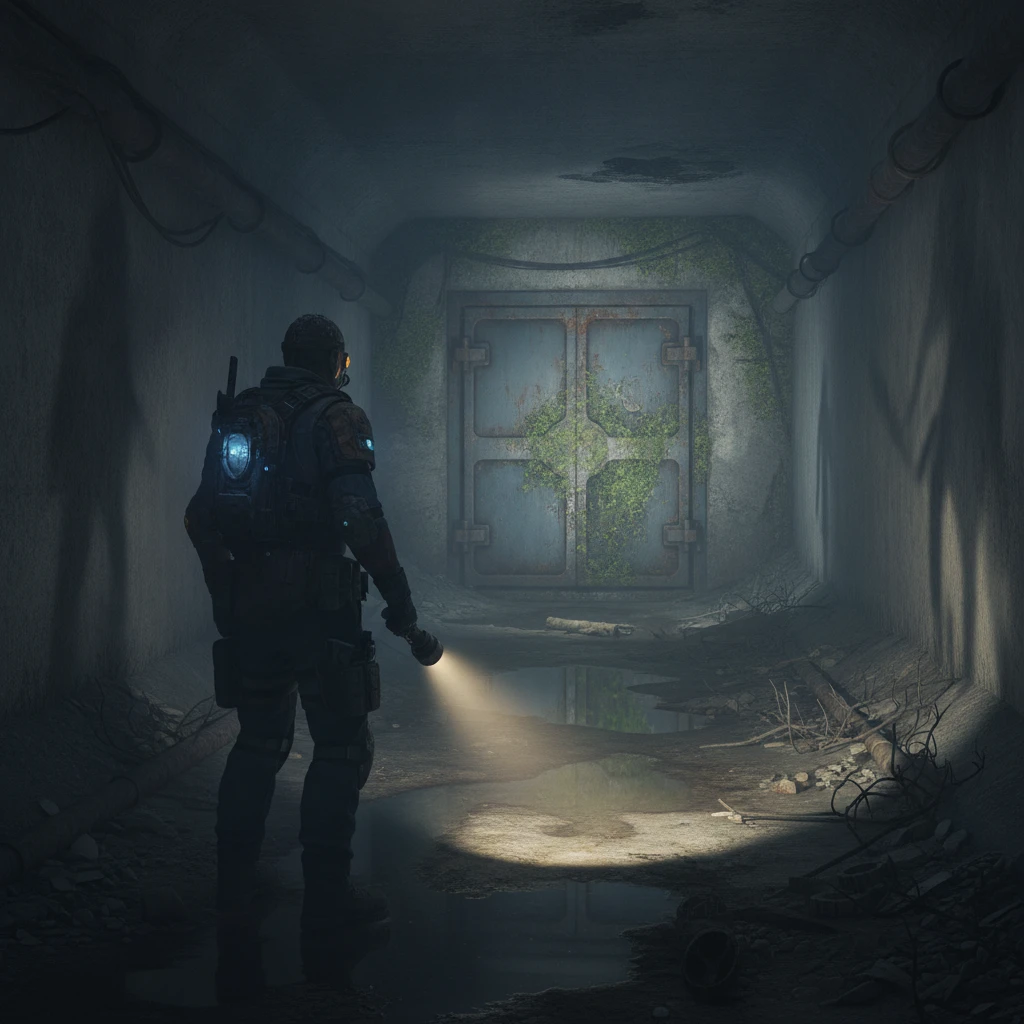
A creaking door sounds different when nobody is coming to help. In horror video games, isolation turns ordinary spaces into threats and makes every decision feel personal. A player may be cut off by a locked route, stranded in an abandoned facility, or surrounded by people who cannot be trusted. The result depends on more than being physically alone: sound, resources, story, and control all shape how isolation feels.
What Isolation Means in Horror Games
Isolation in horror games is the separation of a player character from reliable help, information, or connection. It can be physical, social, or emotional, and the strongest games often combine all three.
Physical isolation is the easiest to recognize. The character is trapped in a remote house, lost in a forest, or cut off from the outside world by a disaster. Abandoned settings make this separation visible: empty rooms and dead communication lines suggest that help is far away, if it exists at all.
Social isolation means that other people are absent, unreachable, or unsafe to trust. A radio voice may offer directions while withholding crucial facts; a companion may be physically present but unable to protect the player. Emotional isolation goes further. The character may be surrounded by people yet unable to share what they have seen or make them understand the danger.
These forms are not interchangeable. A game can provide a map and a working radio, easing practical separation while preserving loneliness. Conversely, a character can be alone in a room without feeling isolated if the game makes support feel close and dependable. Isolation works when the player senses a gap between danger and available help.
Why Being Alone Makes Players Feel Vulnerable
Being alone makes players feel vulnerable because it removes reassurance and makes uncertainty harder to resolve. Without dependable help, the player must judge threats, manage risk, and live with the consequences of being wrong.
That responsibility changes the meaning of small actions. Opening a door, spending a healing item, or taking a shortcut becomes a judgment call rather than a routine task. Limited resources sharpen the pressure: using ammunition on a threat now may leave less for whatever waits ahead. Scarcity is most effective when the player can understand the trade-off, even if they cannot predict the outcome.
Isolation also encourages the player to fill gaps in knowledge. A noise behind a wall might mean an enemy, a machine, or nothing at all. Since there is no teammate to confirm what happened, imagination supplies possibilities, often more alarming than the answer. This is one reason psychological horror can make uncertainty feel more threatening than constant attacks.
The design has a limit. If danger feels random or the player has no meaningful way to respond, vulnerability becomes frustration. A fair horror game gives enough clues to support a decision, then lets the player feel the risk of making it.
How Game Design Creates Isolation
Game design creates isolation by limiting access to safe spaces, clear information, and reliable support. Setting, sound design, scarce supplies, and communication barriers can work together to make the player feel cut off.
Setting and space
Narrow corridors, sealed rooms, and long routes between safe areas can build claustrophobia, especially when the camera restricts what the player can see. A large empty environment can feel isolating for the opposite reason: the player sees distance but has no clear sense of what lies within it. Abandoned settings often combine both effects, shifting from exposed spaces into cramped interiors.
Sound and missing information
Sound design gives the player information while making its limits felt. Footsteps, distant impacts, radio static, or a sudden drop in ambient noise can suggest a threat without revealing its location. If the game provides no dependable musical cue, players learn to listen closely. That attention can be tense, but repeated false alarms may wear out the effect.
Resources and communication
Scarce ammunition, weak light sources, and limited healing items make preparation matter. Communication barriers do similar work in the story: a broken radio or delayed message can turn a possible ally into an uncertain presence. Designers need to give these barriers a purpose. If the player is cut off for no apparent reason, the device may feel like a contrivance rather than a source of fear.
Isolation is most convincing when these systems reinforce one another. A long, quiet hallway matters more if the player has little ammunition, cannot contact anyone, and must choose whether to investigate a sound.
Isolation as a Tool for Storytelling
Isolation supports storytelling by making exploration the player’s main way to learn what happened. Environmental storytelling turns spaces, objects, and traces of past activity into evidence about characters and threats.
A room can reveal a conflict without a cutscene: a barricaded door, an abandoned bag, and a damaged radio each tell part of a story. The player decides what details to inspect and how to interpret them. Because no companion is always available to explain the scene, the world itself becomes the narrator.
This approach connects story to action. Searching a desk might uncover a note that clarifies a character’s motive, but it also takes time in a dangerous area. The player weighs curiosity against exposure. Exploration therefore carries emotional and practical stakes, rather than serving as a pause between encounters.
Isolation can also shape character. A protagonist who leaves messages for someone who may never hear them feels different from one who refuses contact or doubts every voice on the radio. Small interactions, including unanswered calls and one-sided recordings, let players infer fear, grief, or guilt without spelling out every emotion. Still, environmental storytelling needs legible details; if clues are too obscure, the intended narrative may disappear into the scenery.
When Isolation Becomes a Gameplay Choice
Isolation becomes a gameplay choice when the player can decide whether to seek connection, accept help, or take a risk alone. Those decisions give player agency a direct role in building or easing tension.
A game might offer two routes: a longer path with fewer threats, or a shortcut that passes through an unlit section. Another might let the player answer a radio contact, spend resources to reach a companion, or preserve supplies by staying on course. Each option should carry a clear cost or uncertainty; otherwise, the choice becomes cosmetic.
Connection does not automatically remove fear. A companion can provide useful support while creating new concerns: they may need protection, make noise, or become separated during a crisis. Communication can also be partial. A voice on the radio might help with navigation yet leave the player unsure whether the speaker is honest. Limited support often preserves more tension than either perfect assistance or total silence.
For designers, a useful test is to ask what changes when the player reaches out. Does the contact reveal information, consume time, create danger, or change the character’s relationship with someone? When the answer affects play, connection becomes a meaningful risk. When it changes nothing, the choice is unlikely to deepen the horror.
Balancing Loneliness with Variety
Isolation stays effective when a game changes its pressure and occasionally offers contrast. Brief contact, altered environments, and new kinds of threat can make a return to solitude feel sharper than uninterrupted loneliness.
A companion’s short appearance, a working phone call, or a room that feels safe for a moment can reset the player’s expectations. The relief should not last forever, but it gives the next stretch of separation more weight. A game can also shift the kind of isolation: from physical confinement to social mistrust, then to uncertainty about what the protagonist perceives.
Variety does not mean constant escalation. If every chapter adds more enemies, louder effects, and fewer supplies, the player may become numb. Quiet exploration, a sudden communication failure, and a difficult resource choice create different rhythms. The player needs room to notice details and form expectations before a game can unsettle them.
A common design mistake is assuming that an empty environment automatically feels frightening. It needs context, sound, stakes, or a question the player wants answered. Another is withholding every source of information; that can make progress feel arbitrary. Isolation earns its effect when the player remains capable of acting, but never fully certain that their judgment is safe.
In horror games, loneliness matters because it changes how players listen, explore, and choose. The most effective isolation is carefully designed: enough distance to create vulnerability, enough information to support agency, and enough variation to keep the fear alive.