Found Footage Games: Blurring the Lines Between Reality and Fiction
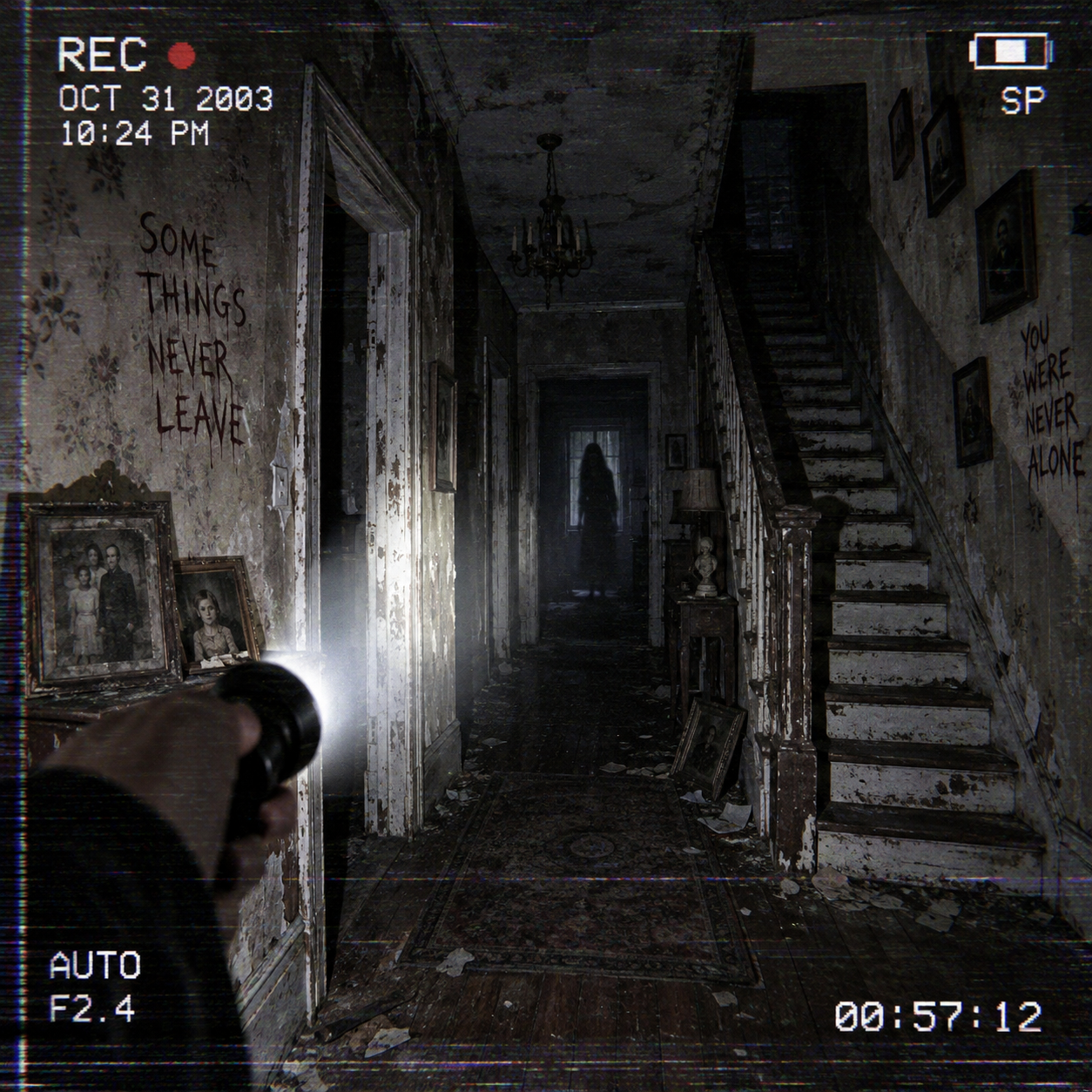
Found footage games turn the player into an apparent witness. Through a handheld camera, damaged recording, or recovered video file, they present horror as evidence rather than a conventional performance. The result is an unsettling overlap between what feels documented and what is clearly fictional.
This approach has become one of the most distinctive forms of psychological horror in modern horror video games. Instead of giving players a polished view of a frightening world, found footage games restrict what they can see, hear, and understand. Every glitch, empty hallway, and unexplained sound becomes part of the mystery.
What Are Found Footage Games?
Found footage games are horror video games that imitate recovered recordings, surveillance videos, camcorder tapes, or documentary evidence while allowing the player to investigate events interactively. They adapt the visual language of found footage horror from film into a format where discovery depends on player movement and choice.
A typical game may place the player behind a camera, inside an abandoned building, or among a collection of damaged recordings. The story often emerges through video files, environmental clues, fragmented dialogue, and things visible only for a moment. The player is rarely handed a complete explanation.
This distinguishes the format from general first-person horror. A first-person game can use a clean, cinematic presentation and still belong to another style. Found footage horror usually makes the recording itself part of the fiction. The camera has a history, limitations, and sometimes a reason for existing inside the story.
The player may act as a journalist, investigator, survivor, police officer, or anonymous witness. That role creates a clear relationship between gameplay and narrative: exploring the environment is also examining evidence. Immersive storytelling comes from making the player feel responsible for assembling that evidence.
The Visual Language of Found Footage Horror
Found footage horror creates its visual identity through unstable camera movement, limited visibility, image distortion, and recording imperfections. These effects make the screen feel like a physical object that can fail, hide information, or preserve something dangerous.
The handheld camera perspective is central to this language. A camera may sway with footsteps, tilt during panic, refocus slowly, or point away from the threat when the character turns to run. This movement suggests a person operating equipment under pressure rather than a camera placed for the audience’s convenience.
Many games also use VHS aesthetics: scan lines, tracking errors, tape noise, oversaturated colors, low resolution, and sudden signal loss. Grain alone does not create fear, though. It works when it interferes with the player’s ability to identify a shape or judge the distance between themselves and danger.
- Limited visibility: darkness, weak flashlights, narrow fields of view, and overexposed light conceal important details.
- Image instability: glitches and distortion interrupt the player’s confidence in what appeared on screen.
- Low-fidelity presentation: compression and blur make ordinary objects difficult to read.
- Recording damage: missing frames or corrupted footage can imply that the evidence has been altered or interrupted.
There is a trade-off. Excessive distortion can become tiring or make navigation frustrating. The strongest games use visual damage selectively, saving major interference for moments when uncertainty matters.
How Games Make Fiction Feel Real
Games make found footage fiction feel real by combining believable spaces, naturalistic sound, diegetic interfaces, and clues that players discover at their own pace. The world feels convincing because the game rarely pauses to announce which details matter.
Environmental storytelling does much of the narrative work. A half-packed suitcase, a child’s drawing, a damaged security door, or a series of dates written on a wall can suggest a history without explaining it directly. Players form theories from physical relationships within the space.
Diegetic interfaces strengthen this effect. Instead of displaying a clean objective marker, the game may require players to read a camera timestamp, adjust a recording device, inspect a map, or replay a tape. The controls belong to the world, so interacting with them feels like investigating rather than navigating a menu.
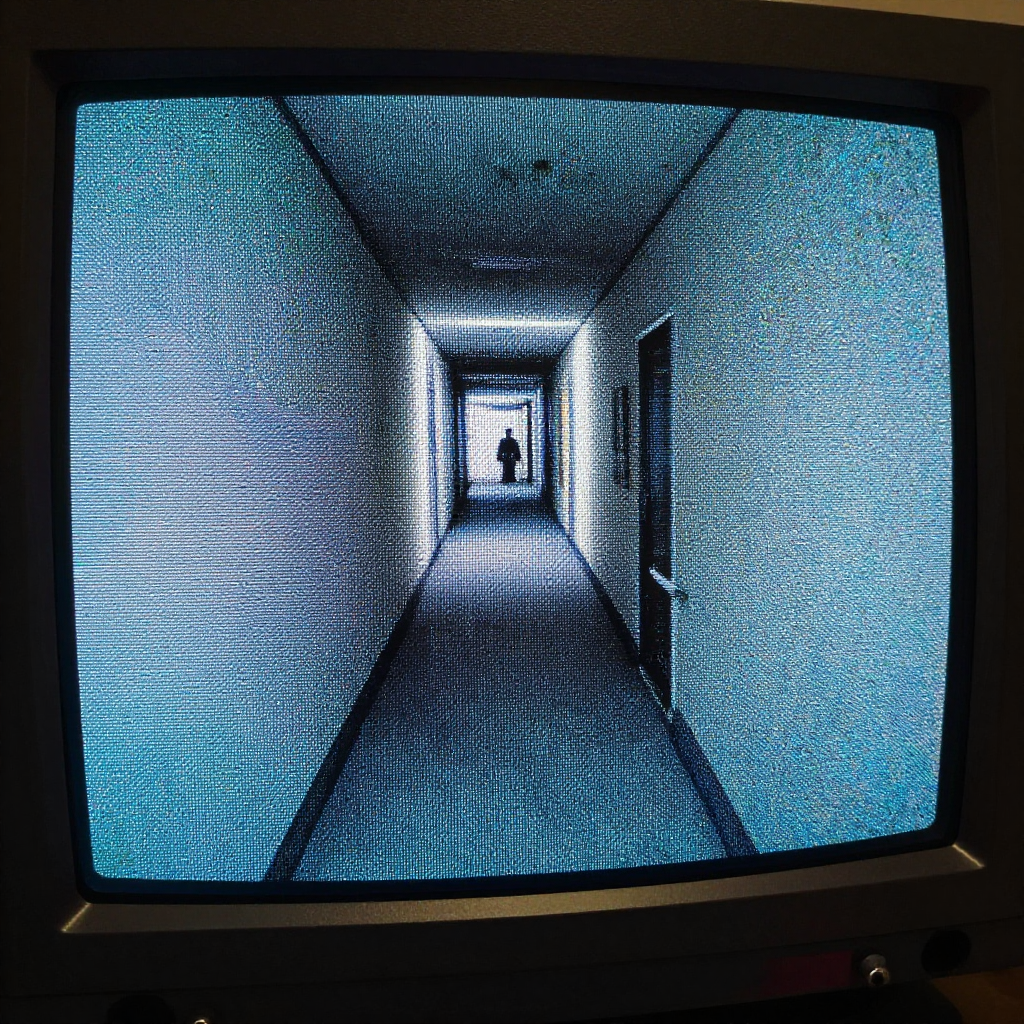
Believable locations also matter. A decaying motel, rural house, office basement, or deserted school can feel more disturbing when its layout resembles a place that might exist. Familiar architecture gives the supernatural something ordinary to corrupt.
Naturalistic audio completes the illusion. Footsteps change across surfaces. A refrigerator hum continues in an empty kitchen. Wind moves through a broken window. A voice on a recording may be too distant to understand. These details create an acoustic environment where silence carries as much information as dialogue.
Interactive discovery separates games from found footage films. A film controls the order and duration of every shot. A game can let players miss a clue, revisit a room, or notice an impossible detail only after several minutes. The player’s attention becomes part of the storytelling system.
Why the Format Is So Effective at Creating Fear
Found footage games are effective because they restrict information while making the player responsible for moving toward danger. Uncertainty, vulnerability, and anticipation become stronger when the screen offers imperfect evidence instead of a reliable view.
Fear often begins with a small contradiction. A door appears open after the player remembers closing it. A figure stands at the end of a corridor, then disappears when the camera adjusts. A recording contains a sound that was not present during the original exploration. These moments encourage the player to question both the environment and their own perception.
The format also limits control. A camera may occupy both hands, require batteries, produce noise, or reveal the player’s location. Looking at a threat can help identify it, but recording that threat may create new risk. Choosing to use the camera becomes a tactical decision.
This creates a useful fear cycle:
- Observation: the player notices an incomplete or suspicious detail.
- Interpretation: they invent possible explanations.
- Approach: they move closer to obtain better evidence.
- Reversal: the evidence changes what they thought was safe.
Psychological horror benefits from that cycle because imagination fills the gaps. A fully revealed monster may be memorable, but an unclear shape behind a curtain can remain frightening for much longer. The limitation becomes a creative tool rather than a technical weakness.
Blurring the Boundary Between Player and Character
Found footage games blur the reality-fiction boundary by making the player’s actions resemble the character’s investigation. The first-person view, camera mechanics, unreliable evidence, and occasional fourth-wall techniques can make the player feel less like an audience member and more like a witness.
In a traditional game, the player understands that the interface sits outside the story. Found footage games often hide or explain that interface through a camera display, battery indicator, timestamp, or recording menu. This is called a diegetic interface because it exists within the fictional world.
Unreliable narration deepens the uncertainty. A recording may contradict a character’s account. A voice-over may omit crucial information. The camera could be damaged, manipulated, or showing events out of sequence. Players must decide whether the evidence deserves trust.
Some games use fourth-wall breaking techniques, such as reacting to player behavior, addressing the person holding the controller, or making the fictional recording appear to interact with the real device. These techniques can be powerful, but they require restraint. A random reference to the player is less effective than a carefully prepared violation of the game’s established rules.
The player’s role as investigator also creates moral pressure. Continuing to record may reveal the truth, but it can feel invasive or dangerous. Stopping the investigation may be safer, yet it leaves questions unanswered. The game turns curiosity into part of the horror.
Found Footage Games Versus Traditional Horror Games
The main difference is that found footage games make the recording format part of the horror, while traditional horror games may use a broader cinematic or game-world presentation. Both can create tension, but they control information and player movement in different ways.
| Feature | Found footage games | Traditional horror games |
|---|---|---|
| Presentation | Camcorder, tape, surveillance, or recovered-media style | May use cinematic, realistic, stylized, or third-person presentation |
| Pacing | Often investigative and deliberately uneven | Can be linear, action-driven, puzzle-focused, or cinematic |
| Story delivery | Recordings, environmental clues, glitches, and fragmented evidence | Dialogue, cutscenes, documents, objectives, and scripted scenes |
| Combat | Frequently limited, awkward, or absent to preserve vulnerability | May include weapons, abilities, upgrades, or larger combat systems |
| Fear source | Unreliable perception, realism, uncertainty, and exposure | May emphasize monsters, pursuit, resource management, or shock |
These categories can overlap. A game may include VHS presentation and conventional combat, or use a handheld camera for only part of its story. The label describes a dominant storytelling and presentation method, not a strict technical rule.
What Makes a Found Footage Game Memorable?
A memorable found footage game uses consistent atmosphere, purposeful camera design, coherent mystery, effective sound, and restraint. Its imperfections should reveal character or information rather than exist as decoration.
Consistency comes first. If the game establishes that the camera loses signal near a supernatural presence, that behavior should have a recognizable pattern. Rules give players something to understand, and understanding makes later violations more disturbing.
The camera should also serve the story. Battery life, focus, zoom, night vision, and recording playback work best when each mechanic changes how players investigate. A feature that adds no decision or discovery becomes visual clutter.
A coherent mystery does not require a simple explanation. It needs meaningful connections between clues. Players can remain uncertain about the cause of an event while still understanding what evidence they found and why it matters.
Sound deserves equal attention. A distant scrape, a voice hidden beneath tape hiss, or a sudden absence of ambient noise can redirect the player’s focus without showing anything. Restraint protects these moments. Constant glitches, loud stingers, and nonstop pursuit quickly flatten the emotional range.
Frequently Asked Questions
What is a found footage game?
A found footage game is a horror video game that presents its story through the style of recovered recordings, handheld camera footage, surveillance media, or damaged tapes. The recording method usually forms part of the fictional world.
Why are found footage games so scary?
They are scary because they limit reliable information and make players investigate danger themselves. Visual distortion, restricted movement, naturalistic audio, and uncertain evidence encourage the imagination to complete what the game leaves unseen.
Are found footage games always presented through a camera?
No. Some use a visible handheld camera, while others imitate tapes, security monitors, body cameras, phones, or recovered digital files. The defining feature is the recovered-recording framework, not one specific device.
How do found footage games differ from VHS horror games?
VHS horror games specifically emphasize videotape-era imagery, such as scan lines, tracking errors, and analog distortion. Found footage games may use VHS aesthetics, but they can also draw from modern body-camera footage, digital recordings, or surveillance systems.
Can found footage games break the fourth wall?
Yes. They can address the player, react to behavior outside the character’s knowledge, or make the fictional recording appear to reach beyond the game world. The technique works best when it follows the game’s established rules and supports the central mystery.