How Cryptocurrency Is Reshaping Online Gambling in 2026: A US Player's Guide to Choosing Safe and Reputable Crypto Casinos

Something shifted in the online gambling world over the last couple of years, and by 2026 I can't ignore it anymore. What used to be a niche payment option for tech-savvy gamblers has turned into mainstream infrastructure — full stop, no debate left. Bitcoin, Ethereum, and a growing lineup of stablecoins are now standard deposit methods at digital casinos catering to US players. And once you actually try it, the appeal makes sense fast.
Withdrawals that clear in minutes instead of days. Fees that barely register. Privacy that traditional banking just can't match, not even close.
But here's the catch, and it's a big one: the same qualities that make crypto casinos attractive also turn them into a minefield if you don't know what you're looking for. US players are stuck in a genuinely confusing spot — a patchwork of state gambling laws stacked on top of an even murkier set of federal crypto rules. Finding a platform that's both cutting-edge and actually trustworthy takes more than luck; it takes homework most people skip. I put this guide together to walk through exactly what you need to know before you fund a crypto wallet and start playing.
What Are Crypto Casinos and Why Are They Booming in 2026?
At their core, crypto casinos are online gambling platforms that accept cryptocurrency as a deposit and withdrawal method — either alongside traditional payment options or, in some cases, exclusively. The tech behind them goes way beyond just swapping dollars for digital coins. A lot of operators now run on blockchain rails that support smart contracts, meaning payouts can trigger automatically once game conditions are met.
No manual processing. No waiting around for a human to approve your cashout. That part alone changes how the whole experience feels.
Provably fair systems have become a major selling point too. These use cryptographic hashing so you can independently verify that a slot spin or card shuffle wasn't rigged after the fact. That kind of transparency just doesn't exist at most legacy casinos — and honestly, once you've checked a provably fair result yourself, it's hard to go back to trusting a black box.
The explosive growth I'm seeing in 2026 didn't happen in a vacuum. Institutional adoption of crypto has normalized digital assets for everyday consumers, and on-ramps through Coinbase, PayPal, and other mainstream services have made buying and moving crypto almost as easy as swiping a debit card. Add in a generation of younger US players who already hold Bitcoin or Ethereum in their portfolios anyway, and you've got the perfect storm for crypto gambling to go from niche to normal.
The Difference Between Crypto Casinos and Traditional Online Casinos
The most noticeable difference is speed. Traditional online casinos processing withdrawals via bank transfer or card can take anywhere from two to seven business days — I've felt that wait, and it's not fun. Crypto withdrawals, by contrast, often land in your wallet within minutes.
Fast. Really fast.
Anonymity levels differ too. Most reputable crypto casinos still require some form of identity verification, so it's not a free-for-all, but the day-to-day transaction footprint is far more private than a bank statement littered with gambling site charges.
Bonus structures also tend to run more generous at crypto-friendly sites, partly because operators save on payment processing fees and pass some of that savings along to players. And then there's game variety — several platforms now offer crypto-exclusive titles built around blockchain mechanics, stuff you simply won't find at a fiat-only casino.
The Legal Landscape for US Crypto Gambling in 2026
This is where things get complicated, and it's worth slowing down here. Online gambling regulation in the US has always been a state-by-state affair, and layering cryptocurrency on top doesn't make it any simpler. States like New Jersey, Michigan, and Pennsylvania have relatively clear frameworks for licensed online gambling, but crypto-specific guidance within those frameworks is still catching up.
Here's the thing most guides gloss over: many of the crypto casinos US players actually use are licensed offshore — commonly through Curacao or Malta — rather than by any US state gaming commission. That doesn't automatically make them unsafe. But it does mean you're operating in a legal gray zone, relying on the offshore regulator's oversight instead of domestic consumer protections. Knowing exactly whose jurisdiction you're under before you deposit a single satoshi isn't optional. It's essential.
Key Benefits of Using Cryptocurrency at Online Casinos
Once you get past the legal homework, the practical benefits show up pretty quickly:
- Near-instant withdrawals — no more waiting a week to see your winnings.
- Minimal transaction fees compared to card processing or wire transfers.
- Enhanced privacy — no gambling charges showing up on bank statements.
- Access to global platforms that might not otherwise accept US-based fiat payments.
- Provably fair verification giving players a way to audit game outcomes themselves.
One important caveat, though: cryptocurrency volatility is real. Deposit $500 in Bitcoin and the value of your bankroll can shift meaningfully before you even place a bet. That's exactly why stablecoins like USDT and USDC have become so popular among crypto casino players in 2026. They're pegged to the US dollar, so you get crypto's speed and privacy without the stomach-churning price swings.
How to Identify Safe and Reputable Crypto Casinos
This is really the heart of the matter. Anyone can spin up a slick-looking gambling website — I've seen plenty that look polished and turn out to be nothing behind the curtain. Not every operator deserves your trust, or your money. Before depositing anywhere, run through this checklist:
- Valid licensing from a recognized authority, even if it's offshore.
- Transparent terms around withdrawal limits, wagering requirements, and fees.
- Third-party audits of games and payout percentages.
- Responsive customer support that's actually reachable, not just a contact form that vanishes into the void.
- Positive community reputation across forums, Reddit threads, and review sites.
- Secure wallet integration with two-factor authentication and cold storage practices.
Doing this legwork manually for every platform you're curious about takes forever, honestly, which is exactly why dedicated research resources have become so valuable. Sites focused specifically on reviewing crypto casinos can save you hours by compiling licensing details, audit results, and real player feedback in one place — letting you compare vetted operators side by side before you ever create an account. For newcomers especially, leaning on that kind of due diligence beats trusting a flashy homepage every time.
Red Flags to Watch For
Just as important as knowing what to look for is knowing what should make you close the tab immediately. Watch out for unlicensed operators with no visible regulatory information, unclear or constantly shifting withdrawal terms, and an absence of any KYC or identity verification process — which sounds convenient at first but usually signals trouble. Add to that a pattern of poor reviews describing withheld winnings, plus any platform that pressures you toward large deposits with urgency-driven promotions.
Legitimate operators don't need to hustle you. If a site's rushing you, that's your answer right there.
Best Practices for US Players Getting Started
If you're new to this space, ease in rather than diving headfirst. Start by setting up a secure crypto wallet — hardware wallets offer the best protection, though a reputable software wallet with strong two-factor authentication works fine for smaller amounts. Choose a well-established exchange like Coinbase or Kraken to buy your initial crypto, since these platforms have solid track records and actual regulatory compliance behind them.
Don't overlook tax implications either. The IRS treats gambling winnings as taxable income regardless of whether you're paid in dollars or Bitcoin, and converting crypto back to fiat can itself trigger a taxable event depending on price movement. Keep records of every transaction — every single one, even the small ones you think won't matter.
Start with small deposits until you're confident in a platform's reliability, and actually use the responsible gambling tools available. Deposit limits, session timers, and self-exclusion options are increasingly standard features even on crypto-focused sites, so there's no excuse to skip them.
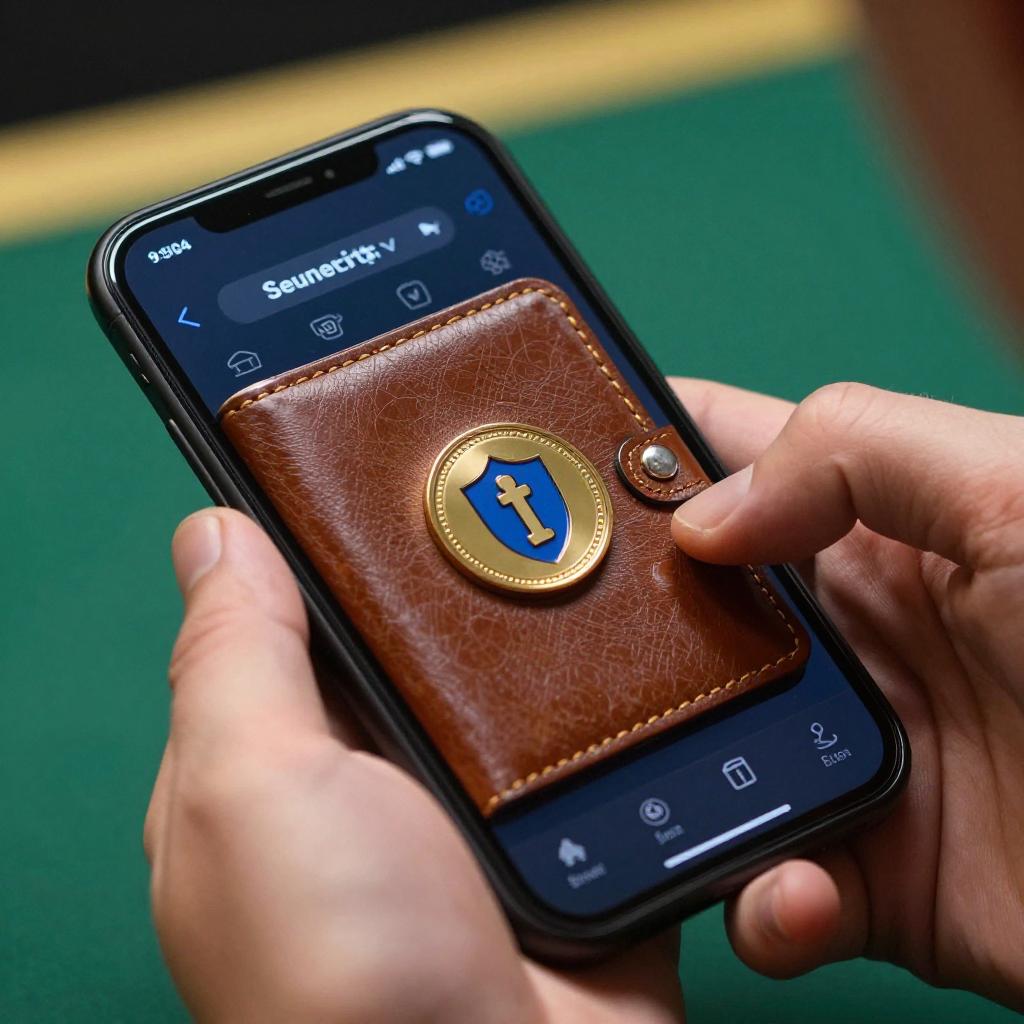
Common Mistakes to Avoid When Using Crypto Casinos
Even experienced crypto users trip up in this space. The biggest mistake is neglecting wallet security — losing your private keys or falling for a phishing scam can wipe out funds instantly with no recovery option, unlike a traditional bank account where there's usually some kind of safety net. Another common error is chasing volatile coins for gambling instead of using stablecoins, which unnecessarily stacks risk on top of the risk you're already taking by gambling in the first place.
Skipping license verification is another frequent misstep, usually driven by impatience to just start playing. Unrealistic bonus promises — think '500% match bonus with no wagering requirement' — should always raise suspicion rather than excitement. If it sounds too good, it probably is.
And finally, not reading withdrawal terms carefully before depositing can lead to nasty surprises when you try to cash out and discover minimum thresholds or hidden conversion fees you never even noticed. Small print matters here more than almost anywhere else online.
Cryptocurrency is genuinely reshaping the online gambling experience for US players in 2026, and the direction of travel is pretty clear at this point. Speed, privacy, and technological innovation like provably fair systems have made crypto casinos an increasingly compelling alternative to traditional platforms. But none of those benefits come free.
They come paired with a greater need for personal responsibility and research than fiat gambling ever required — that's just the trade-off, and I don't think it's going away.
Safety in this space starts with informed choices: verifying licenses before depositing, understanding the legal landscape in your state, and leaning on trusted resources to compare platforms rather than trusting marketing copy alone. As US regulation around both gambling and digital assets keeps maturing, I'd expect crypto integration to deepen further — bringing more legitimacy, more oversight, and hopefully more protection for players who choose to explore this rapidly evolving corner of online entertainment.