Monster Design in Horror Games: From Classic Vampires to Psychological Horrors
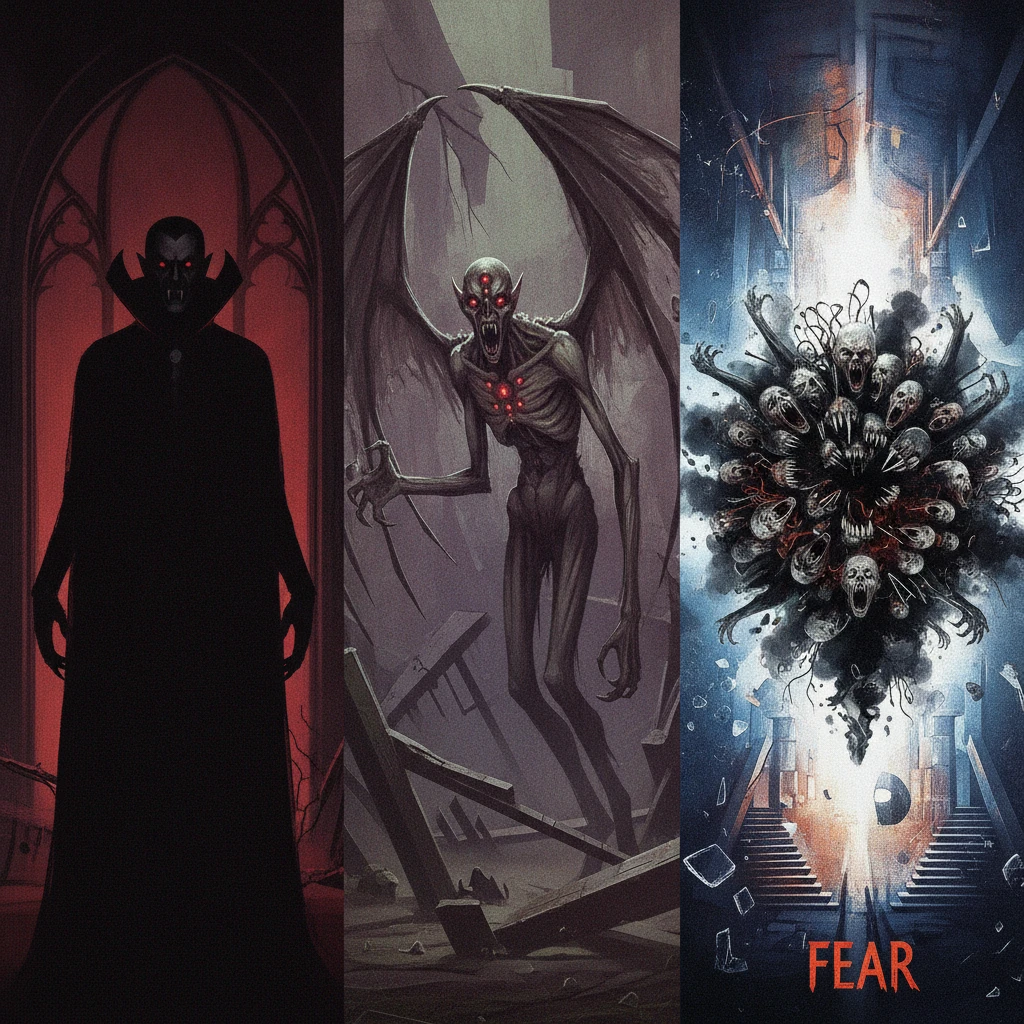
A monster in a horror game can chase, deceive, or simply make a familiar room feel wrong. Its impact depends on more than a frightening face: creature design, enemy behavior, sound, and the player’s ability to respond all work together. That is why the classic vampire remains useful as a monster archetype, even as modern games explore psychological horror and threats that may exist only in a character’s perception.
Why Monsters Matter in Horror Games
Monsters matter because they give fear a form and make the player’s choices feel risky. Their presence shapes a game’s atmosphere, turning spaces, sounds, and resources into parts of the threat.
A strong horror game monster establishes a particular kind of pressure. A fast pursuer makes distance feel precious. A creature that appears only when the player looks away makes attention itself dangerous. Either way, the monster teaches the player how to feel before the game explains what it is.
This is where **player vulnerability** matters. Vulnerability does not always mean low health or weak weapons. It can mean limited information, a slow door, scarce ammunition, or uncertainty about whether an enemy is nearby. When a player has a clear, powerful response to every threat, fear can fade into routine combat.
Monsters also support **environmental storytelling**. Scratches on a locked door, a trail of blood that stops abruptly, or furniture arranged to block a hallway can suggest how a creature behaves without a cutscene. The environment becomes evidence. The player assembles a story from what the monster has left behind.
The Classic Vampire as a Design Archetype
The classic vampire is a predator defined by transformation, supernatural power, and deliberate hunting. These familiar traits give game designers a clear starting point for building both a recognizable enemy and a distinctive encounter.
A vampire can pass as human, cross a room in a blur, or change shape to escape. That gap between appearance and behavior creates tension: the player may see a poised figure before discovering how dangerous it is. Vampiric powers also suggest rules that can become gameplay systems, such as avoiding sunlight, resisting ordinary weapons, or exploiting a brief transformation window.
The archetype works best when its abilities shape the player’s decisions. A vampire that can fly might attack from balconies and force the player to watch vertical spaces. A vampire that feeds on isolated characters could make staying with companions a practical choice. The power should change the encounter, rather than serve as decoration.
Familiarity is a strength, but it brings a trade-off. Players already know the vampire’s broad outline, so a standard cape, fangs, and weakness to sunlight may feel predictable. A fresh take can preserve the predator’s core while changing its behavior: perhaps it imitates a trusted voice, feeds on memories, or grows stronger when the player uses light to search a room. The archetype remains legible, while its rules create new uncertainty.
Designing Fear Through Appearance and Movement
Appearance and movement make a creature unsettling when they give the player enough information to feel threatened, but not enough to predict what comes next. Silhouette, animation, sound, and pacing should all support the same kind of fear.
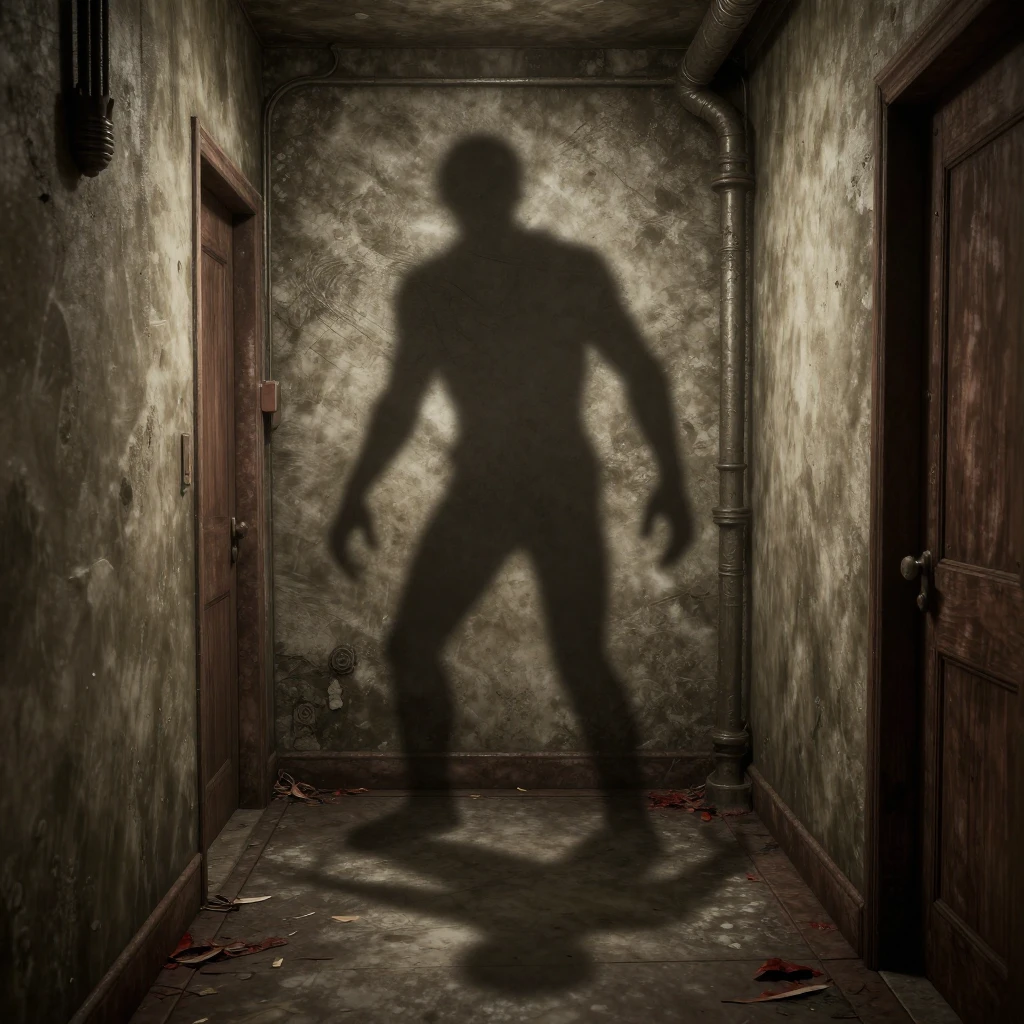
A readable silhouette helps players recognize an enemy in darkness, but perfect clarity can reduce suspense. Designers can preserve recognition while withholding detail: a too-long arm around a doorway, a head that tilts toward sound, or a body that seems to occupy more space each time the player turns around. **Visual storytelling** works through small contradictions between what looks human and what moves incorrectly.
Animation carries as much weight as anatomy. A creature that pauses mid-step or moves smoothly until it reaches the edge of the light can feel more disturbing than one that constantly thrashes. Delayed reactions, abrupt direction changes, and movements that ignore normal balance suggest a body following unfamiliar rules. Sound can reinforce those details with a wet drag, an uneven breath, or silence where footsteps should be.
Pacing gives each cue room to land. If the monster appears every minute, its arrival becomes expected. Longer gaps can let players study the environment and imagine what might be there. The cost is that too much restraint can become dull, so use small signs of activity between direct encounters: a scrape overhead, a door left open, or a shape disappearing at the end of a corridor.
From Physical Threats to Psychological Horrors
Psychological horror unsettles players through uncertainty, perception, and emotional meaning, while a physical threat focuses more directly on bodily danger. The two approaches can overlap, and neither is universally scarier.
A conventional monster gives the player something concrete to avoid, fight, or study. A psychological horror threat may distort space, repeat a memory, or appear in a place where it should not be. The uncertainty raises a different question: is the character in danger, misreading events, or responding to guilt and trauma? A game can leave that question open without making every event meaningless.
**Body horror** bridges the physical and psychological. A familiar body altered in a specific, disturbing way can make the threat feel intimate. The design becomes more effective when the change connects to the game’s themes or rules. If a creature’s limbs lengthen after it hears the player, for example, its appearance communicates the danger of making noise and the fear of being watched.
Ambiguity needs boundaries. If players cannot tell what triggers a threat or whether their actions matter, uncertainty may turn into frustration. Keep one or two reliable clues, such as a sound that signals danger or a visual distortion that marks an altered space. The player can doubt the explanation while still learning how to survive.
How Gameplay Makes a Monster Memorable
Gameplay makes a monster memorable when its abilities create meaningful choices and expose the player’s vulnerabilities. A distinctive appearance may earn a first impression, but a distinctive encounter is what players remember.
Start by defining what the creature asks the player to do. Hide? Stay still? Keep moving? Choose between a noisy shortcut and a longer route? The answer should connect to its behavior. A hunter that tracks sound can make dropped objects and sprinting feel costly. A creature that reacts to direct eye contact can turn the camera into part of the challenge.
Then give players enough feedback to learn. If an enemy’s rule is impossible to infer, a death feels arbitrary. Show consequences in small steps: it turns toward a thrown object, follows the sound, and later punishes careless movement. Learning the pattern does not have to make the monster safe; it gives players a reason to plan.
Resource limits can sharpen these choices, but scarcity alone does not create fear. If ammunition is rare and combat remains the only solution, players may feel trapped rather than tense. Let the creature support more than one response where possible, such as hiding, distracting it, changing the environment, or fighting at a clear cost. **Enemy behavior** should create pressure without reducing every encounter to a single correct button.
Principles for Creating a Distinctive Horror Game Monster
To create a distinctive horror game monster, connect its appearance, behavior, and narrative to one clear pressure on the player. Then test whether that pressure remains understandable and engaging during play.
Use this four-part design check:
- Fear: What should the player fear losing: health, time, safety, trust, or certainty?
- Form: Which visual detail communicates that fear before the creature attacks?
- Rule: What does the monster notice, pursue, avoid, or change?
- Choice: What can the player do, and what does each response cost?
For example, a creature tied to the fear of being overheard might have a nearly human face and a body that turns toward whispered dialogue. Its approach could be signaled by sounds that repeat the player’s recent words. The player might stay silent, move to a soundproof room, or create a decoy noise. Each choice would express the same core fear through visual design, behavior, and gameplay.
Test the creature without its backstory first. If players can describe its threat and learn one reliable survival clue, the design is communicating. Then add narrative context and see whether it deepens the experience rather than explaining away every mystery. Common design mistakes include adding powers that do not change play, relying on gore without thematic purpose, and withholding all clues in the name of ambiguity. A monster needs mystery, but it also needs a readable relationship with the player.
Frequently Asked Questions
What makes a monster frightening in a horror game?
A monster becomes frightening when its behavior creates meaningful risk and the player cannot fully predict the outcome. Strong visual and audio cues help establish danger, while limited information or resources make responses feel consequential.
How does psychological horror change monster design?
Psychological horror shifts attention from a creature’s physical strength to what it may represent or how it changes perception. Designers often use ambiguity, repetition, distorted spaces, or personal themes, while keeping enough gameplay clues for players to make informed choices.
Can a familiar creature, like a vampire, still feel original?
Yes. Keep a recognizable trait, such as predatory hunting or transformation, and change how it affects play. A vampire that responds to sound, manipulates trusted memories, or alters the player’s use of light can feel fresh without losing its archetypal identity.
How do gameplay mechanics affect a monster’s impact?
Mechanics decide what the player can do when a monster appears. Hiding, fighting, distracting, or changing the environment each create different kinds of vulnerability, so the creature’s rules should support the intended fear and provide clues players can learn.